Key takeaways
- PFAS are long-lasting man-made chemicals found in water, cookware and packaging.
- Research is exploring links between PFAS and hormone function, including in men.
- A water filter and swapping non-stick pans are easy ways to reduce exposure.
What are PFAS?
PFAS (per- and polyfluoroalkyl substances) are a large group of man-made chemicals used since the 1940s to make products resist water, grease and stains. They break down very slowly, which is why they are called "forever chemicals". The U.S. EPA PFAS page is a good starting point.
Where you are exposed
Common sources include some tap water supplies, older non-stick cookware, grease-resistant food packaging, stain-resistant carpets and fabrics, and some cosmetics. Most people in the U.S. have measurable PFAS in their blood.
What research says about hormones
Scientists are studying whether certain PFAS may interfere with the body's hormone systems. Some studies have looked at links with testosterone and sperm quality in men. The research is still developing, and results are not settled, but it is a reasonable reason to limit exposure where you easily can.
Simple ways to cut exposure
Check your local water report and use a filter certified to reduce PFAS if needed. Cook with stainless steel, cast iron or ceramic instead of scratched non-stick pans. Eat less fast food in grease-proof wrappers. These steps pair well with the habits in natural ways to support testosterone after 40.
Where Alpha Erec fits
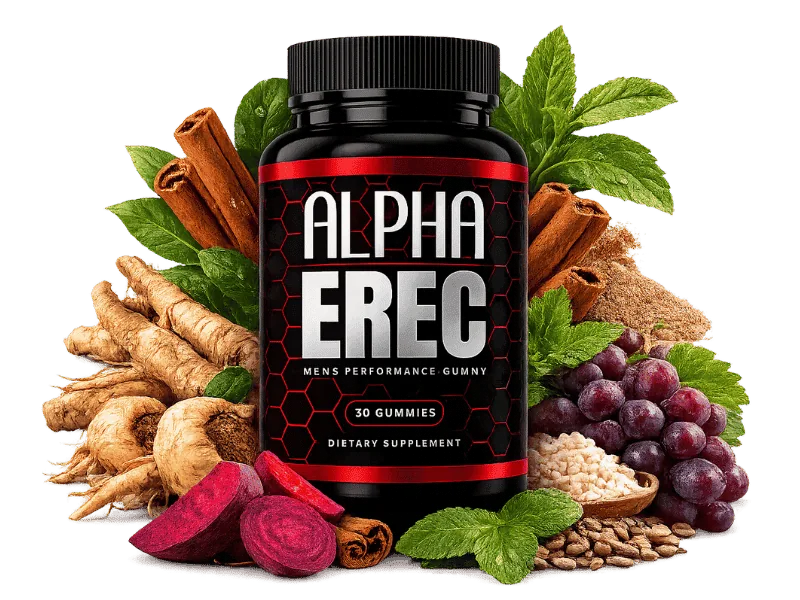
The Alpha Erec brand mentions everyday toxins such as PFAS as one factor that can wear on male vitality. Its role is to support blood flow, hormone balance and energy with nutrients; it is not a PFAS detox or treatment. See how Alpha Erec works and our full review.
Frequently asked questions
Can a supplement remove PFAS from the body?
No supplement is proven to remove PFAS. Reducing exposure through water filters and safer cookware is the practical approach.
Are PFAS in tap water?
Some public water systems contain PFAS. Check your local water quality report or the EPA website for information about your area.
This article is for general information only and is not medical advice. Talk to your doctor before starting any supplement. We may earn a commission from purchases made through our links; see our disclosure.